

North Korea Labels U.S., Japan, South Korea as Main Enemies
— Highlights North-China-Russia vs. U.S.-South Korea-Japan Divide
Kim Dong-su,
Former North Korean Diplomat
North Korea has recently ramped up its rhetoric, once again declaring the U.S., Japan, and South Korea as irreconcilable enemies. Even domestic figures accused of disloyalty—those who act one way but think another—are being branded as enemies of the revolution. This approach signals outward openness to diplomacy while reinforcing strict ideological discipline at home, reflecting a clear two-track strategy.
In a May 7 article, Minju Joson, North Korea’s newspaper, asserted that “the American imperialists, Japanese reactionaries, and South Korea are our people's main enemies.” It warned that losing clarity about who the enemy is could lead to collapse, cautioning that aligning with hostile forces makes defending socialism impossible.
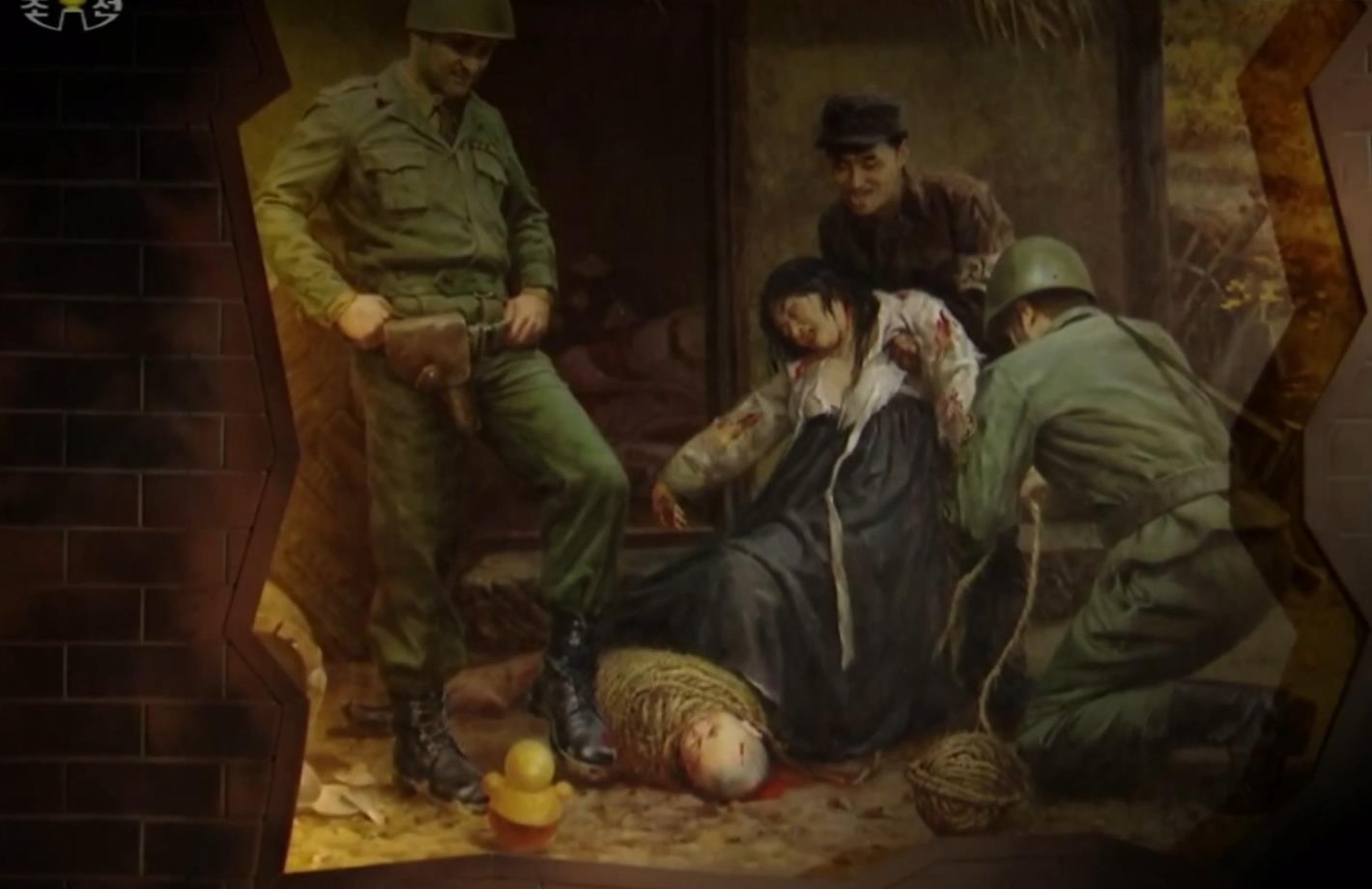
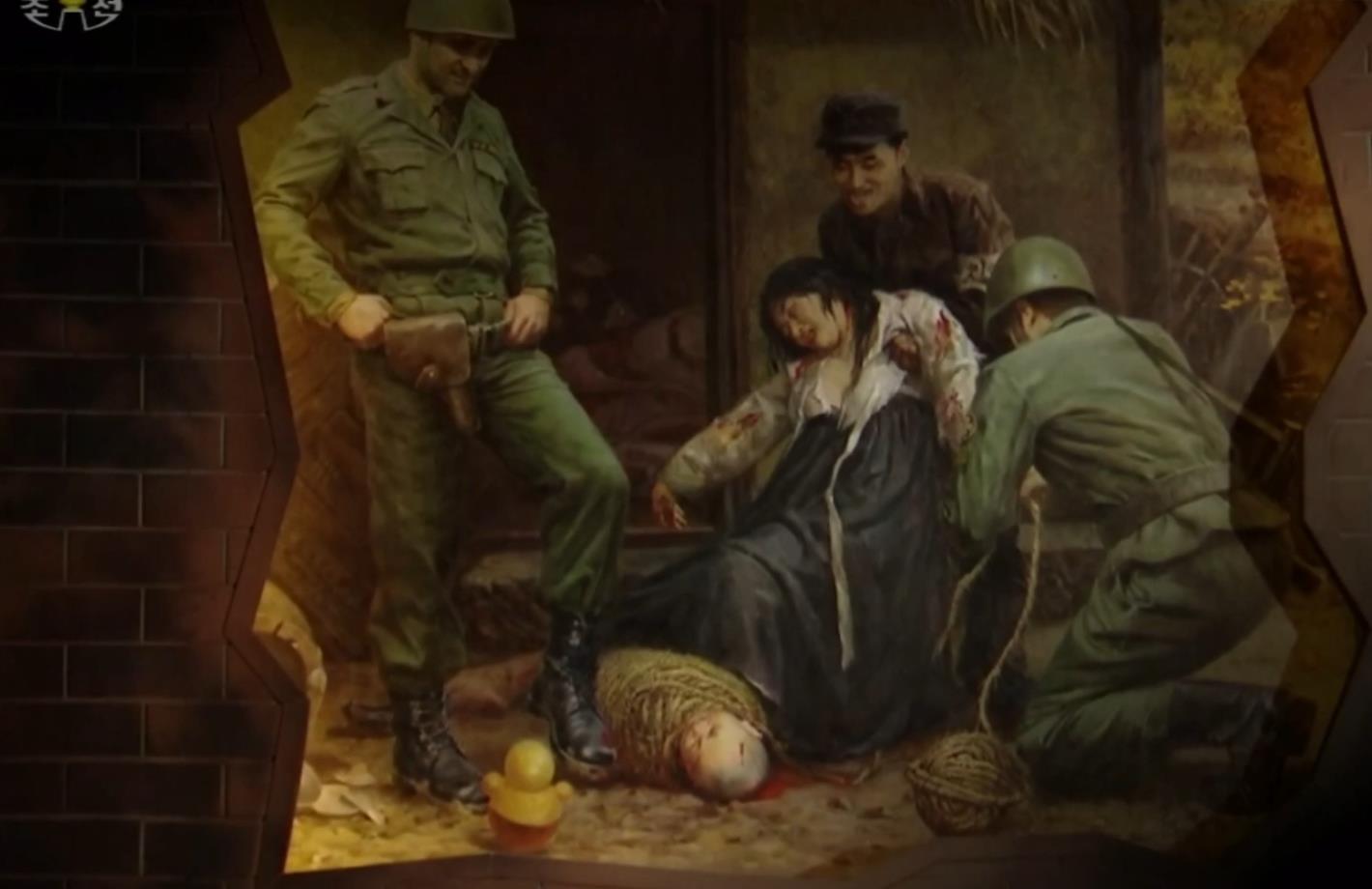
According to Korean Central Television (KCTV), "North Korea, as part of its anti-American propaganda to incite hostility toward the United States, claims that U.S. forces massacred tens of thousands of civilians in Sinchon County, South Hwanghae Province, in November 1950 during the Korean War."
This renewed enemy rhetoric comes as North Korea highlights its alliance with China and Russia. Branded as “anti-imperialist solidarity,” it effectively draws a new Cold War line between the North-China-Russia bloc and the South Korea-U.S.-Japan alliance.
By pushing this conflict narrative, Pyongyang aims to spotlight external threats and alleged subversion plots, boosting internal tension and reinforcing national unity.
Rodong Sinmun echoed this line, citing nations that “lowered the socialist flag without firing a single shot” as cautionary tales, declaring that without a firm understanding of the enemy, both the nation and its people will cease to exist.
North Korea’s persistent enemy narrative is also tied to the President Donald Trump’s ongoing calls to resume U.S.-North Korea talks. Even during previous summits, Pyongyang maintained its hardline stance that “the U.S. is the main enemy,” despite outward shows of diplomatic flexibility.
Once again, Pyongyang is reopening diplomatic doors while carefully guarding against internal ideological slackening—a textbook example of its recurring dual-track strategy.
Kim Jong-un has repeatedly declared that “every citizen and soldier must be a frontline sentinel with a clear sense of the enemy.” This extends beyond hostility toward the U.S. or South Korea—it also signals a warning against internal ideological dissent.
Even during inter-Korean or U.S.-North Korea dialogue periods, Pyongyang has remained vigilant about internal ideological drift. On this day, Minju Joson reiterated that anyone harboring resentment toward the regime or feigning loyalty while betraying it behind the scenes are enemies of the revolution.
North Korea’s ideological campaign is now squarely targeting its youth. State outlets like Rodong Sinmun have stressed that “while blood is inherited, ideology is not,” calling for urgent reinforcement of class-based indoctrination for young people.
This reflects the regime’s concern over growing ideological detachment among young people. Born during the 1990s “Arduous March,” the so-called jangmadang generation has relied on informal markets for survival and often values practicality over Juche ideology or anti-imperialist dogma.
Among this generation, a materialistic mindset—summed up by the belief that “money is power”—is gaining ground, alongside a quiet curiosity about South Korean media.
The 2020 “Reactionary Ideology and Culture Rejection Law” directly targets these trends. It bans South Korean dramas, music, and even language, with harsh penalties up to execution—highlighting the severity of the threat perceived by Kim Jong-un’s regime.
Even when North Korea signals willingness to engage with the outside world, it maintains tight domestic control. This reflects a strategy to remain nimble in negotiations while suppressing any unrest among citizens or elites.
Amid sanctions, Kim Jong-un is working to counter their effects by bolstering ties with China and Russia, while tightening ideological control at home ahead of potential U.S. talks.
As global dynamics shift, Pyongyang is doubling down on ideology to reinforce regime legitimacy while leveraging diplomatic channels as a potential way to ease sanctions.
Kim Jong-un’s strategy of sharpening the knife behind messages of peace will continue to pose one of the toughest diplomatic challenges for the international community.