

North Korea Ramps Up Tourism Push Amid Cash Crunch
- Called One of the Worst Travel Spots for Lack of Internet -
Kim Dong-su
Former North Korean Diplomat
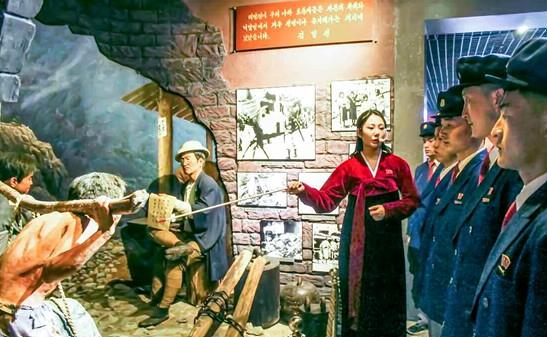
North Korea is stepping up efforts to attract foreign tourists amid a deepening financial crisis. Along with resuming its Shanghai route, it’s adding more flights to Vladivostok. Events like the April Pyongyang Marathon and the June opening of the Wonsan-Kalma resort are part of the push. Still, strict travel rules and a near-total lack of internet keep the country among the world’s least favored destinations.
On March 31, Air Koryo announced a new Wednesday flight between Pyongyang and Vladivostok. This adds to its regular Monday and Friday schedule, bringing the total to three flights per week.
Russian agency Vostok Intour, which specializes in North Korea tours, confirmed the update via Telegram on March 29, noting the JS-272 flight was newly added to Vladivostok International Airport’s schedule and operates on a Tupolev Tu-204.
Air Koryo recently listed the fare for the Pyongyang–Shanghai route at 1,840 yuan (approx. 373,000 KRW). While Shanghai isn’t yet in the official timetable, posting the fare suggests operations are nearly ready—mirroring how North Korea resumed flights to Beijing, Shenyang, and Vladivostok.
The last Shanghai flight departed on December 27, 2019, just before North Korea closed its borders due to COVID-19. If reinstated, Shanghai would join Beijing and Shenyang as a third direct route to China.
The Ministry of Unification previously noted North Korea’s push to draw Chinese tour groups to Rason. In February, construction also resumed on what seemed to be customs facilities near the New Yalu River Bridge.
Tourism events like the April Pyongyang Marathon—celebrating Kim Il-sung’s birthday—and the June opening of Wonsan-Kalma suggest North Korea is rebuilding travel infrastructure.
The marathon, expected to draw 200 participants from 46 countries, will be Pyongyang’s first international event since the pandemic began. The race, held annually since 1981, was suspended in 2020 due to COVID-19.
Wonsan-Kalma is a major state project, personally visited by Kim Jong-un and his daughter Kim Ju-ae. Ahead of its launch, road and rail expansion is underway. North Korea is also developing all-season tourism zones near Mount Paektu in Samjiyon, including cultural and mountain resorts.
Despite global concerns, Pyongyang’s drive to revive tourism reflects its urgent need for legal foreign revenue. In 2019, about 300,000 foreigners visited, generating an estimated $90–150 million. With heavy sanctions over its nuclear program, tourism remains one of the few legal sources of income for the regime.
Still, North Korea is wary of the risks tourism brings. With global platforms like YouTube and X (formerly Twitter), the regime fears foreign tourists could reveal unfiltered views of life in the country. Its abrupt suspension of Rason tours just three weeks after launch shows its sensitivity to exposure.
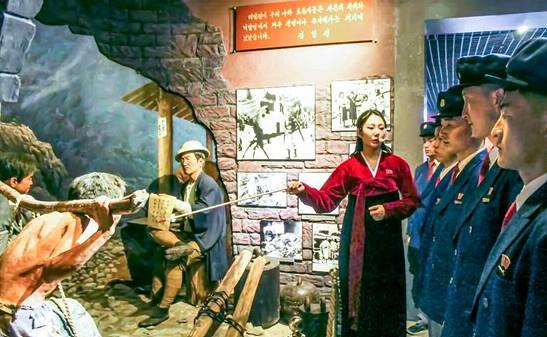
North Korea recently signaled plans to resume tourism by releasing new photography guidelines. A travel agency specializing in North Korea published a guidebook outlining rules for content creation. Tourists may take photos and videos but must follow strict regulations, stay with a guide, respect local culture, and avoid filming military or restricted areas.
Koryo Tours warns that breaking these rules—like taking unauthorized pictures—could have serious consequences for both tourists and guides. “If you're unsure, always check with your guide first,” the agency advised. When photographing locals, tourists must get permission in advance. “Secret filming or unauthorized close-ups are highly frowned upon in North Korea,” the guide stated.
Tourists can use small devices like smartphones or GoPros, but professional cameras are restricted to avoid being mistaken for journalists.
Lenses over 150mm are banned, and drones are confiscated at the airport—asking about them can even raise suspicion.
The agency noted that North Koreans are curious about foreign visitors, but using gear that looks professional can cause misunderstandings and affect entry. It’s best to film quietly with small, unobtrusive devices.
Tourists are also warned not to produce provocative content. The agency suggests focusing on culture, history, or daily life—and avoiding politics. “Exaggerating North Korea’s image could harm not just you but also your guide and agency,” it said.
Internet access is virtually nonexistent in North Korea. Sites like Google and YouTube are entirely blocked, the guide noted. Violating tourism rules could lead to harsh punishment.
The danger was made clear in the case of Otto Warmbier, an American student who visited in 2015. Detained for allegedly stealing a propaganda poster, he was later returned to the U.S. in a vegetative state and died soon after.
In another case, South Korean tourist Park Wang-ja was shot and killed by a North Korean guard in 2008 while visiting Mount Kumgang.
Recent tourists have expressed shock at the high level of control they experienced. They caution that even minor missteps could lead to serious consequences, especially for those visiting out of curiosity.