

North Korea Inside
· Sweeping Purge of Foreign Ministry Asia Bureau: Officials Deemed ‘Unworthy of Breathing Pyongyang Air’
· Food Shortages Prompt Emergency Surveys Ahead of Kim Jong-il’s Birthday
· North Korea Mobilizes Discharged Soldiers and Youth for Coal and Mining Operations
· Mass Labor Mobilization Behind the Sinuiju Greenhouse Complex
Kim Myong-sung
A Pyongyang-based source reported on February 2 that a joint inspection team was formed by the 109th Standing Committee of the Party Organization and Guidance Department (OGD), the Domestic Counterintelligence Bureau of the State Security Ministry, and the Foreign Ministry’s Party Committee.
Under the pretext of reviewing unfinished tasks from the Eighth Party Congress period, the team conducted an intensive, approximately ten-day inspection of the Asia Bureau beginning in mid-January. In practice, the operation functioned as an unannounced, surprise inspection rather than a routine administrative review.
The inspection reportedly ran from January 15 to January 24. OGD officials and State Security agents simultaneously searched offices and private residences without prior notice, conducting comprehensive examinations of documents, electronic devices, and personal belongings. A two-day summary and criticism session held on January 24–25 was described by witnesses as emotionally charged, marked by shouting and public denunciations, and closely resembling a “people’s tribunal.”
At the opening of the session, an OGD instructor reportedly asked, “Has the Asia Bureau become a playground for capitalism?” while presenting seized materials as evidence. He condemned the bureau as having “degenerated from a revolutionary stronghold into a back-alley shop saturated with capitalist decadence.”
Investigators focused heavily on the ideological orientation and lifestyle practices of Asia Bureau personnel, whose frequent contact with foreign counterparts was deemed a source of contamination. According to one source, the core problem identified by inspectors was that officials had become “more accustomed to money and foreign goods than to the Party’s monolithic leadership system.” State Security personnel were stationed throughout the meeting hall to monitor reactions, and some officials were reportedly stripped of their positions immediately during the proceedings.
One of the most serious charges concerned systemic failures in handling classified materials. During surprise checks at the main gate, several officials were reportedly caught attempting to leave the compound with Level 2 classified documents—such as foreign negotiation strategy plans—concealed in false-bottom bags or suit pockets. Some individuals were publicly removed from the meeting hall, with their rank insignia torn off.
Additional violations included improper disposal of draft documents designated for incineration, some of which were allegedly taken home and repurposed as scrap paper for children’s study materials. Personal conduct also came under scrutiny. Forced searches of office safes reportedly uncovered bundles of personal cash, love letters, and family correspondence intermingled with official Party documents.
Digital forensic inspections reportedly produced results described as “shocking” even by members of the inspection team. Files labeled as “Study Materials for the Ninth Party Congress ” were found to contain PDF captures of South Korean media articles and external political analyses. Investigators also discovered catalogs of overseas luxury brands and printed materials related to real estate investment concealed in desk drawers.
The possession of external audiovisual media was found to be widespread. USB drives and SD cards were reportedly hidden in plant pots, sofa crevices, and even toilet water tanks. Some tablet computers were found to contain American films and South Korean television dramas obtained via overseas streaming platforms. Inspectors also identified traces of data-wiping software used to conceal viewing histories.
Music consumption was likewise scrutinized. Although officials claimed to listen exclusively to revolutionary songs, mutual criticism sessions revealed that some had stored and listened to South Korean trot music or Chinese pop songs—often with modified lyrics—during work hours.
Searches of private residences reportedly uncovered large quantities of consumer goods not sold in Pyongyang department stores, including American coffee, Japanese electric rice cookers, and South Korean cosmetics. One inspector was quoted as exclaiming, “I don’t know whether this is Pyongyang or Seoul.”
Beyond material violations, inspectors also targeted expressions of ideological cynicism. Diaries kept by younger diplomats reportedly contained statements such as “Nothing will change even if the Party Congress is held” and “The outside world is running while we cannot even walk.” These individuals were subsequently classified as “anti-Party elements.”
During mobile phone inspections, authorities reportedly took issue with private family messages using South Korean terms such as oppa or jagiya instead of the ideologically approved term “comrade,” categorizing this as evidence of a “failed domestic revolution.” Investigators also discovered bundles of U.S. dollars of unknown origin hidden under mattresses and behind bookshelves, raising suspicions of payments for leaking classified information.
Punishments were severe and immediate. The Asia Bureau chief was stripped of his position and expelled from the Party on the spot before being transferred to a State Security detention facility. All officials found to have committed any of the twelve categories of violations identified by the inspection team were dismissed or reassigned. Those deemed guilty of more serious offenses were reportedly exiled with their families to remote mining regions in Yanggang and Jagang provinces, with the official judgment that they were “unworthy of breathing Pyongyang’s air.”
Separately, North Korean authorities have reportedly launched an emergency investigation into food-deprived households nationwide ahead of Kim Jong-il’s birthday on February 16, amid mounting evidence of acute food shortages and starvation-related deaths around the Lunar New Year period.
According to a source on February 3, authorities launched a comprehensive survey of food-insecure households in both urban and rural areas this month. While such surveys are often associated with preparations for holiday distributions, sources indicate that the current effort is aimed at identifying households facing immediate risk of starvation. Notably, some families that received rations last year reportedly exhausted their supplies within two to three months, underscoring the severity of the situation.
Despite official claims that last year’s grain output reached approximately five million tons, on-the-ground accounts tell a markedly different story. After prioritizing military allocations and state grain reserves, the amount distributed to farming households was reportedly reduced sharply. Some farmers are said to have depleted the grain they received last November within just two months.
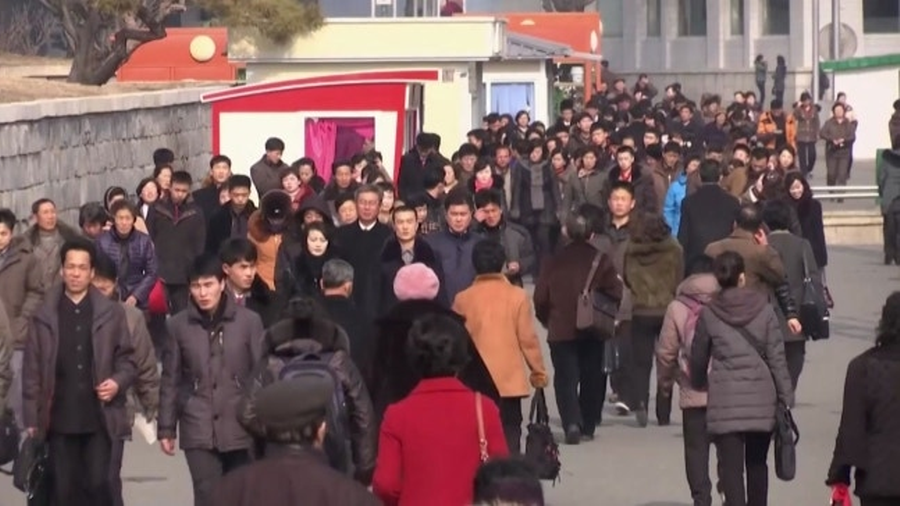
The timing is particularly precarious, as the country is entering the annual lean season—when previous harvests are exhausted and several months remain before the next crop. Historically, households mitigated shortages through market purchases, but intensified market controls and declining market functionality have sharply limited this option.
Urban conditions appear similarly dire. Testimonies suggest that in non-productive households—excluding those of senior officials or major enterprise workers—one or two households per People’s Unit are already rationing food. Reports have emerged of individuals wandering in search of food and dying from exposure, raising concerns that the situation is escalating from chronic hardship into a full-scale survival crisis.
A key structural driver of the crisis is the collapse of household income resulting from tightened market restrictions. Following the 2021 revision of the Grain Management Law, the regime banned private grain sales in markets and designated state-run grain outlets as the sole legal distribution channel. With intensified enforcement and harsh penalties for private transactions, residents’ last remaining coping mechanism for food emergencies has effectively been eliminated.
North Korea Mobilizes Discharged Soldiers and Youth for Coal and Mining Operations
North Korean authorities have reportedly issued a large-scale labor mobilization order this year, directing discharged soldiers, young factory workers, and even recent high school graduates to coal mines, mineral extraction sites, and forestry (logging) operations nationwide.
While the regime frames the measure as a response to chronic labor shortages in sectors critical to industrial production—particularly energy and raw materials—local sources indicate growing resentment and resistance, with the mobilization increasingly perceived as coercive and exploitative, particularly toward younger cohorts.
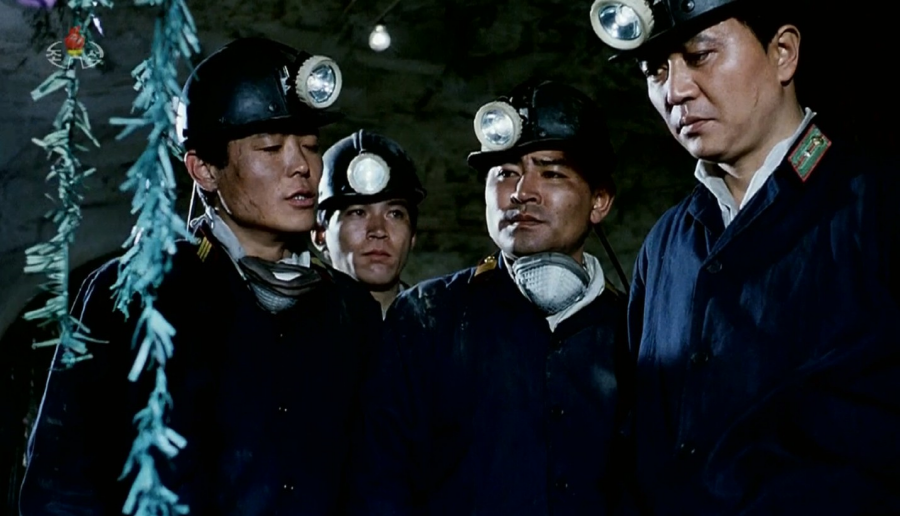
According to multiple North Korea–related sources on February 1, Kim Jong Un recently characterized labor shortages in coal mines, mining complexes, and forestry sites as an “urgent task” during a high-level cadre meeting convened to review preparations for the Ninth Workers’ Party Congress. In evaluating this year’s initiatives under the third year of the “Regional Development 20×10” policy, Kim reportedly concluded that “fundamental constraints in energy and material supply have been laid bare, with chronic labor shortages as the underlying cause.”
Kim emphasized that the completion and operation of factories in the 20 cities and counties targeted by the Local Development 20×10 initiative by 2026—and the revitalization of coal and mining districts as core pillars of national industrial capacity—would require the mobilization of “all available human and material resources.”
In line with this directive, the Workers’ Party of Korea and the Socialist Patriotic Youth League reportedly issued instructions in early January, tasking provincial, city, and county party organizations with collectively deploying manpower—primarily discharged soldiers, young industrial workers, and non-conscription-age high school graduates—to coal mines, mineral extraction sites, and forestry operations.
These measures have reportedly generated significant discontent at the local level. One source noted that “a sense of despair and anger is rapidly spreading among discharged soldiers and young people who have been abruptly sent to coal mines and logging camps.” Soldiers approaching the end of their service are said to have expressed particular frustration, stating that after enduring a decade of hardship in military service, they are denied the opportunity to return home and instead face what they describe as a “dead-end future.”
The mobilization has also placed heavy burdens on local institutions and enterprises. According to sources, enterprises are required to meet fixed manpower quotas, often through the forced selection of young workers, creating internal tensions and competition over who is assigned to hazardous labor sites. This has reportedly led to heightened friction within workplaces and among local officials.
A defector identified as a former senior local party official observed that securing coal—essential for power generation—and timber—necessary for tunnel maintenance and infrastructure—is indispensable for factory construction and operation.
He emphasized that the root causes of persistent production shortfalls lie in outdated equipment, chronic energy shortages, and limited access to materials. In the absence of the capacity or resources to address these structural deficiencies, authorities have instead resorted to deploying young people to physically demanding and dangerous environments, to compensate through labor intensity rather than productivity gains.
Mass Labor Mobilization Behind the Sinuiju Greenhouse Complex
Related reporting indicates that North Korea mobilized at least 60,000 to 65,000 workers for the construction of the Sinuiju Greenhouse Complex Farm, completed on February 1, relying on what observers describe as an extreme form of labor-intensive construction. State media coverage suggests that the regime offset shortages of heavy equipment, construction materials, and energy by extensively exploiting the unpaid labor of soldiers and youth brigades.
On February 2, Rodong Sinmun devoted unprecedented coverage to the completion ceremony attended by Kim Jong Un, expanding from its usual six pages to eight pages, with six pages dedicated exclusively to photographs and articles related to the project. A significant portion of the coverage featured commemorative group photographs of Kim alongside construction personnel.
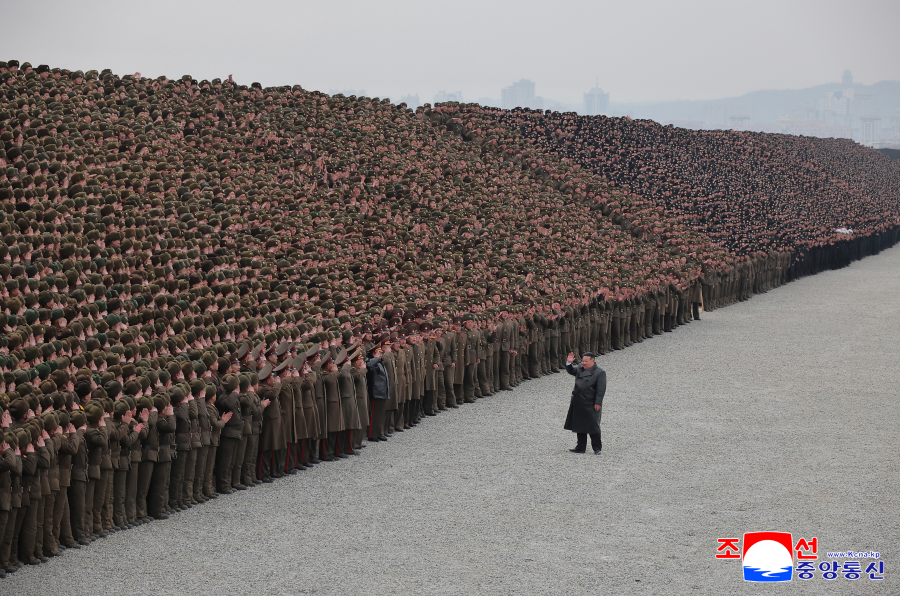
Analysis of these images provides insight into the scale of manpower mobilization. At least 13 distinct groups are visible in the published group photograph, each estimated to include approximately 4,000-5,000 individuals, suggesting that the workforce deployed may have exceeded 55,000 people. The regime’s intended display of mass loyalty thus inadvertently revealed the scale of labor exploitation underpinning the project.
The Sinuiju Greenhouse Complex spans an area equivalent to approximately 625 soccer fields. Following severe flood damage caused by Yalu River overflow in the summer of 2024, Kim Jong Un announced plans in December of that year to construct greenhouse complexes covering several hundred hectares on Wihwa Island and Dajido. He attended the groundbreaking ceremony on February 10, 2025, and reportedly conducted nearly monthly on-site inspections thereafter.
At the completion ceremony, Kim presided over the awarding of state commendations to selected soldiers and youth construction workers and oversaw the unveiling of a commemorative monument. Senior party and military officials attended in large numbers, including Cabinet Premier Pak Thae-song, Supreme People’s Assembly Standing Committee Chairman Choe Ryong-hae, Party Secretaries Jo Yong-won, Pak Jong-chon, and Ri Il-hwan, and Defense Minister No Kwang-chol. Former Cabinet Premier Kim Tok-hun, absent from public view since late 2025, also appeared at the event.
North Korean media characterized the Sinuiju Greenhouse Complex as a “representative achievement of the local development policy” and a “monumental creation of the Kim Jong Un era.” The Korean Central News Agency described it as a “proud gift of loyalty from young builders to the Ninth Party Congress,” suggesting that it will feature prominently as a signature achievement at the forthcoming congress.
Available evidence, however, indicates that the project’s completion relied less on modern construction technology or efficiency gains than on the extensive mobilization of unpaid labor. Large-scale construction projects in North Korea routinely depend on the compulsory deployment of soldiers, students, and civilians under party directives, effectively driving labor costs to near zero. In the case of the Sinuiju project, tens of thousands of personnel from the army, navy, and air force, along with youth shock brigade members, were reportedly mobilized.
A defector who previously served in a youth shock brigade stated that soldiers and young workers were treated as “unpaid expendables” to reduce equipment rental and fuel costs, which typically constitute the largest share of construction expenses. An intelligence official assessed that the regime’s propaganda imagery—intended to demonstrate loyalty and achievement—instead exposed fundamental structural limitations and contradictions in North Korea’s development model.
-
PREV [North Korea Inside]
-
NEXT [NK Focus]