

North Korea’s Key Activities in May : Closer Ties with Russia and Domestic Consolidation
through Military and Regime Legitimacy

Lee Seung-hyun
Ph.D in Public Administration (Research Fellow at the SAND Institute)
drharacearthur@gmail.com
In June 2025, North Korea pursued a dual strategy, responding to fast-moving political, military, and diplomatic shifts while emphasizing regime legitimacy and domestic achievements. Kim Jong-un maintained a strong military focus but also promoted regional development and public health. Meanwhile, diplomacy, especially with Russia, gathered pace.
In early Jun, Kim inspected construction of a hospital and public service center in Kangdong County, highlighting them as signs of healthcare modernization. He addressed improvements in medicine supply and medical training. On June 9, at a hospital site in Kusong City, he emphasized vocational training, medical equipment assembly, and construction mechanization—key elements of the “20x10 Regional Development Policy.”
On June 12, the Kang Kon destroyer was relaunched following a May accident, with Kim reaffirming his naval modernization goals and stressing “reflexive, overwhelming responses.” The next day, at a munitions plant, he called for expanded artillery output and greater automation—moves likely aimed at showcasing military gains ahead of the WPK’s 80th anniversary and its 9th Congress.
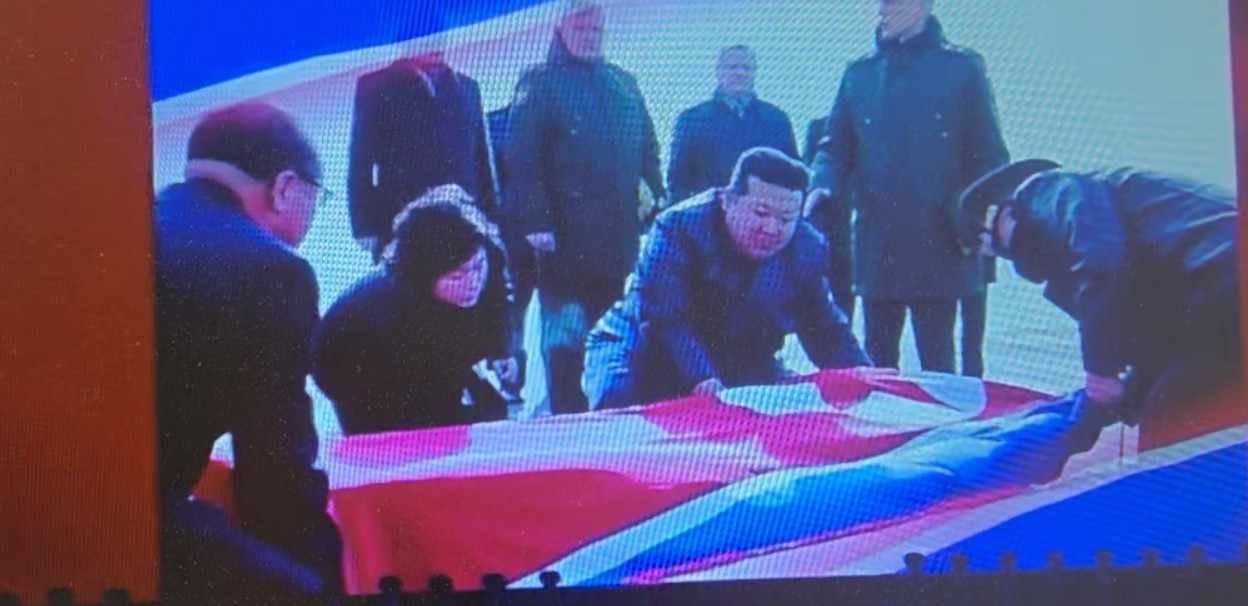
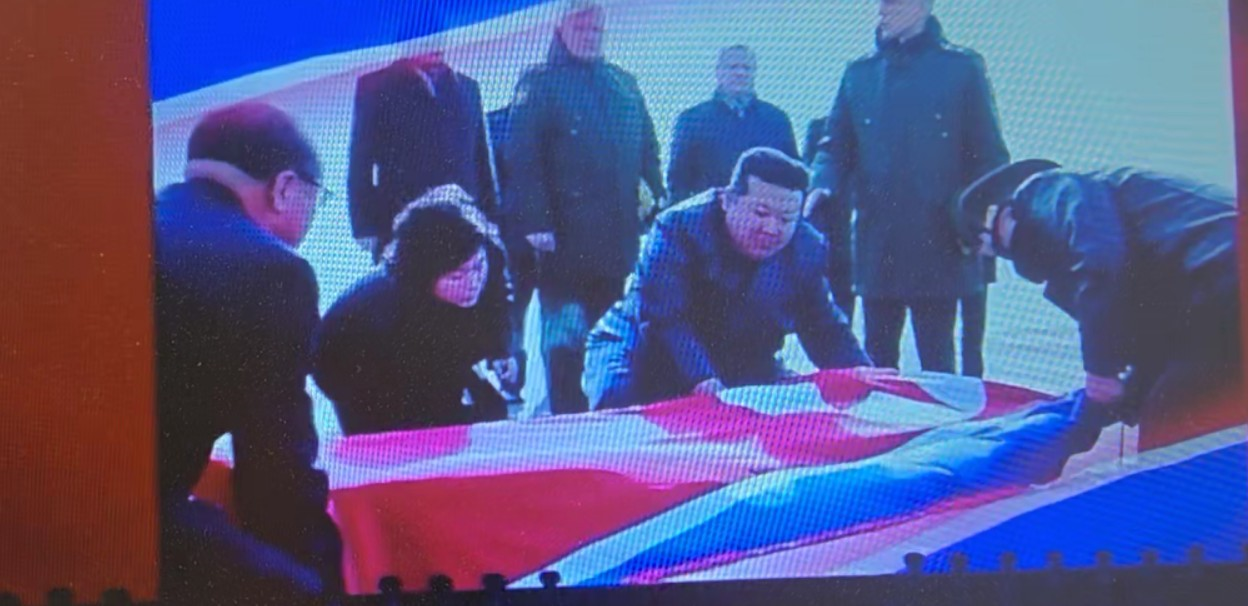
North Korea's diplomacy in June focused on Russia. Kim sent Putin a National Day message on June 12, calling their bond a “blood-forged camaraderie.” On June 17, he met again with Russian Security Council Secretary Shoigu to discuss reconstruction in Kursk and memorial projects—symbolic actions tied to the DPRK–Russia treaty's first anniversary.
At the 12th Plenary Meeting of the WPK’s 8th Central Committee, which began on June 21, Kim announced the 9th Party Congress, prioritizing economic strategy and industrial modernization. His omission of strategic weapons suggests a short-term focus on economic and internal stability.
North Korea advanced several livelihood projects. On June 9, it promoted a new melamine resin line at the Hungnam Fertilizer Complex as a self-reliance milestone. On June 16, an activated lime facility opened at the Hwanghae Steel Complex to enhance steel quality and energy efficiency. The regime also spotlighted a nationwide dairy supply system and emphasized disaster preparedness ahead of the rainy season, highlighting improved response networks and scientific forecasting.
On June 24, Kim appeared with Ri Sol-ju and Kim Ju-ae at the opening of the Wonsan-Kalma Coastal Tourist Area—an effort to project both domestic success and a softer global image. Kim Ju-ae’s presence may hint at succession planning. Renovations at Kalma Station and the restart of Pyongyang–Moscow rail service symbolized a blend of tourism and economic cooperation with Russia.
In June, North Korea employed a multi-pronged strategy: reinforcing regime control, showcasing military strength, improving livelihoods, and easing diplomatic isolation. The deepening Russia alliance, tighter internal management, and possible succession signals are key developments. The 9th Party Congress is likely to be a crucial turning point for the regime’s direction.