


Kim Myongsung’s Inside North Korea
· Mangyongdae Revolutionary School Ascends Alongside Kim Ju-ae’s Rise: Toward an Institutionalized Hereditary Elite?
· Superstition and Power in the DPRK: Fortune-Telling Among Party Cadres
· A Mourning Omitted: North Korea Airs Soldier Repatriation—but Omits It from Print

Kim Myong-sung
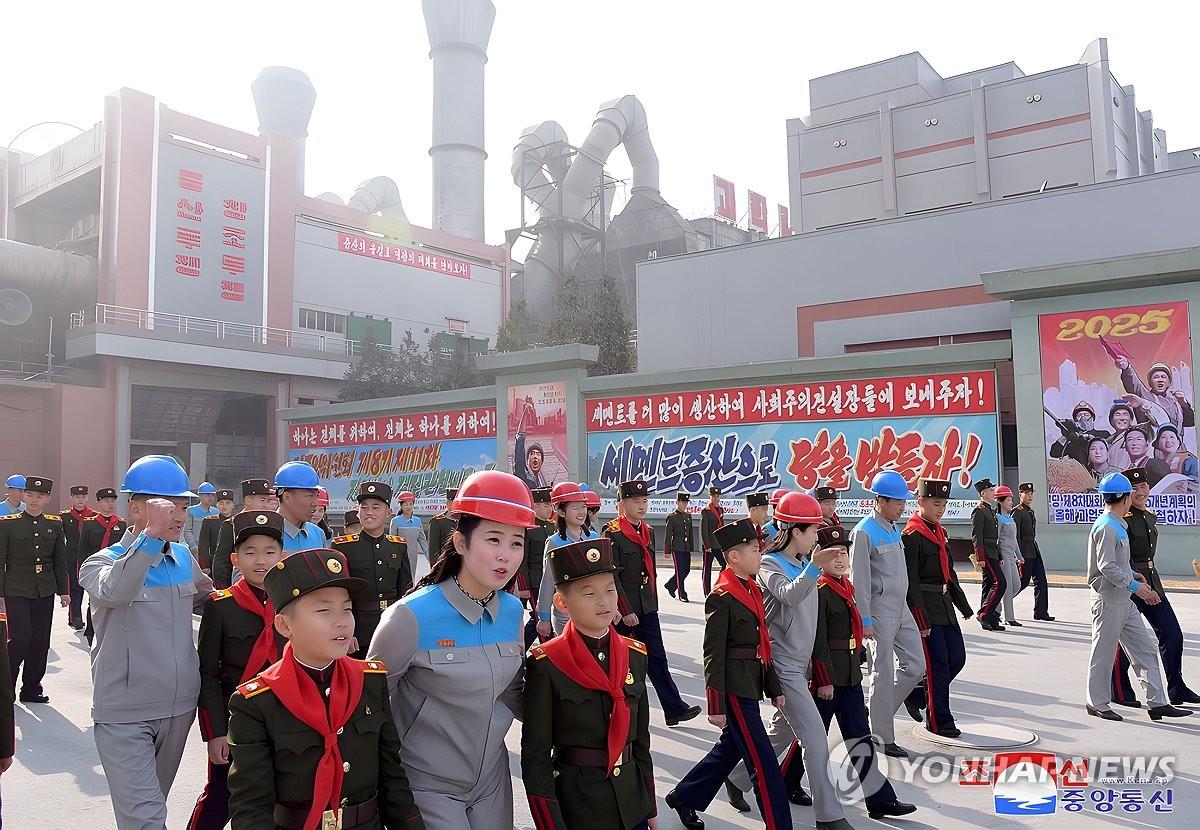
In March, they participated in on-site mobilization for the “20×10 Local Development” campaign. Most recently, in September 2024, they delivered morale performances and frontline messaging in Jagang Province following flood damage.
Such activity—reaching beyond the bounds of standard educational programming—suggests a deliberate effort to present the students not merely as pupils, but as symbolic “vanguards of hereditary succession.”
Observers note that this campaign coincides with the increasingly public positioning of Kim Ju-ae. In a key 2022 address marking the 75th anniversary of the Mangyongdae and Kang Ban Sok Revolutionary Schools, Kim Jong-un urged students to become “the core training base that guarantees the eternal prosperity of the Juche cause.”
This language reinforces the school’s role not only as a tool of elite socialization, but as a foundational institution undergirding the Kim family’s dynastic legitimacy.
State media routinely emphasize the historic centrality of the academy to the Kim family. Kim Il-sung is said to have visited the school 116 times, Kim Jong-il over 90 times, and Kim Jong-un himself on multiple occasions for “on-site guidance.”
If Kim Ju-ae represents the symbolic continuity of the “Paektu bloodline,” then the Mangyongdae school appears designed to provide the ideological and institutional framework to support and normalize that succession.
Founded in 1947 as the Pyongyang Revolutionary School for Martyrs’ Families, the academy initially served the children of anti-Japanese fighters and war dead. It later evolved into a training ground for the offspring of senior military, party, and government officials. Students wear military uniforms, receive intensive indoctrination, and typically enter elite pathways within the security or party apparatus.
Despite the state’s repeated condemnation of superstition as an “anti-socialist” behavior, practices such as fortune-telling continue to permeate North Korean society—including among high-ranking party officials.
An internal 2022 lecture document from the Ministry of Social Security recounts the case of a local party cadre who, during a personnel reshuffle, consulted a fortune-teller to determine which subordinates had “auspicious” or “backstabbing” fates. Based on the reading, the official retained one staff member while orchestrating the reassignment of another.
Sources with knowledge of internal conditions describe fortune-tellers in the DPRK as quasi-consultants who are often retained to resolve issues ranging from marriage and employment to family health crises. Fees vary significantly, with officials and wealthy patrons (the so-called donju) often paying several times the standard rate.
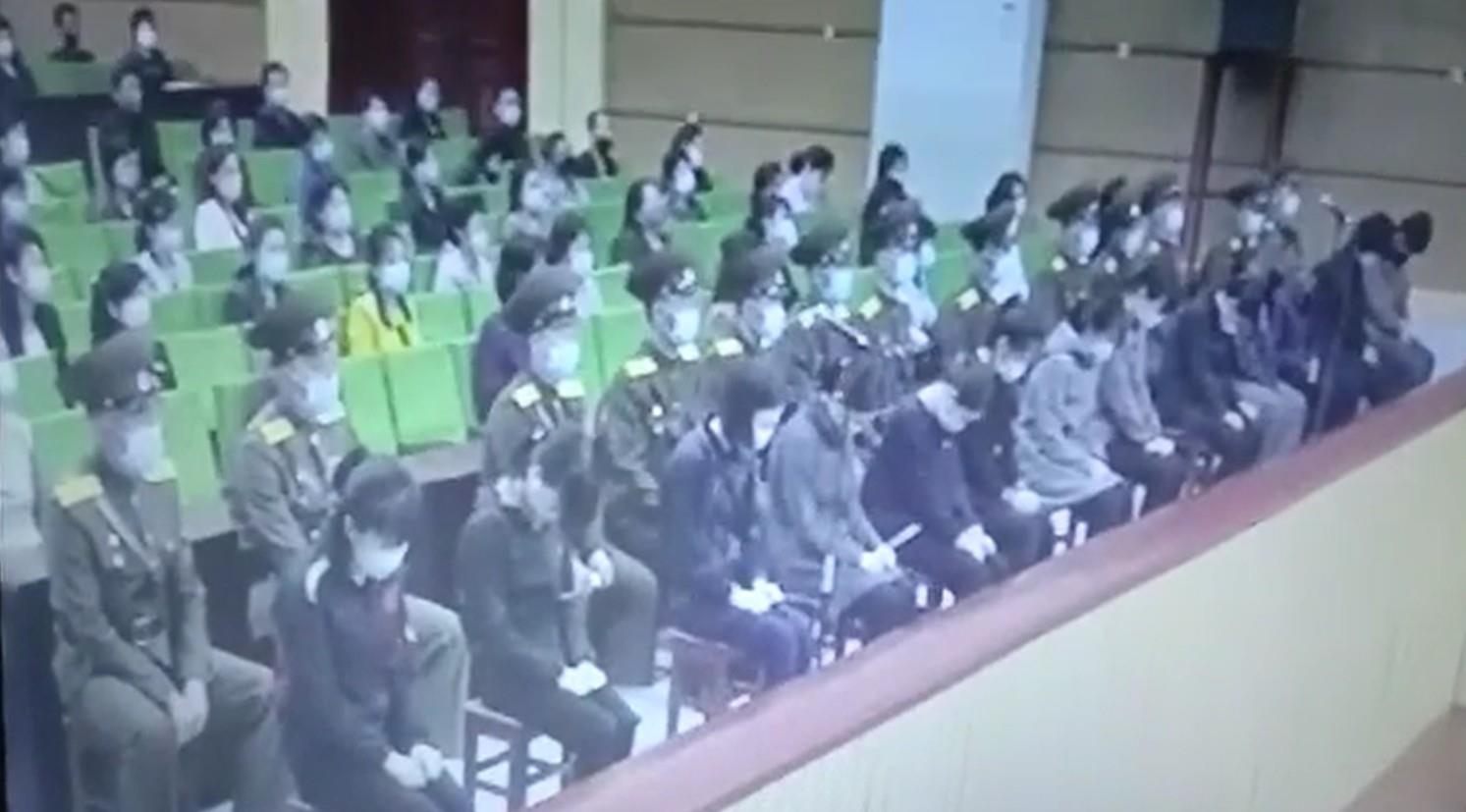
One defector, Kim (pseudonym), recalled consulting a shaman in his search for a missing son. “The fortune-teller told me he was alive and had crossed a river far away,” he said. “I carried a talisman and fled the country. We reunited in China.”
Although North Korean criminal code prohibits superstition—including palm reading, physiognomy, and exorcism rituals—enforcement is inconsistent. Article 305 of the revised 2021 Administrative Litigation Law prescribes up to three months of labor re-education for violators, or longer in serious cases. Notably, enforcement applies to both providers and clients of such services.
Nevertheless, insiders report that even security officials—tasked with implementing these laws—quietly consult shamans themselves. Analysts interpret this as symptomatic of broader systemic insecurity. “People turn to fortune-tellers because they have no other way to gain information or agency over their lives,” one defector remarked. “When the state cannot provide certainty, superstition fills the void.”
According to researchers, the persistence of such practices—even among elite cadres—reflects both pervasive distrust in the regime and a lack of viable institutional alternatives to address psychological and material insecurity.
A Mourning Omitted: North Korea Airs Soldier Repatriation—but Omits It from Print
On June 30, North Korean state television broadcast rare footage of Kim Jong-un overseeing the repatriation of the remains of DPRK soldiers reportedly killed while serving in Russia. Kim was shown solemnly placing his hands on a flag-draped coffin and observing a moment of silence—an apparent gesture toward honoring the “shared sacrifice” of the North Korea–Russia military partnership.
But the Rodong Sinmun and Korean Central News Agency (KCNA) omitted the footage and made no mention of the ceremony in their coverage. While some images of troops holding the DPRK flag were published, Kim's direct participation in the mourning ritual was not included—prompting speculation that Pyongyang is seeking to downplay the scale of casualties.
North Korea had earlier announced the deployment of approximately 15,000 troops to Russia, claiming they were assisting in “international military cooperation.” However, sources indicate that nearly 6,000 of these troops have been killed or wounded in combat with Ukrainian forces—raising concerns among the North Korean public.
In recent weeks, no official media outlets have directly acknowledged these losses. Instead, Kim’s schedule has highlighted cultural events and inspections unrelated to the Russian front.
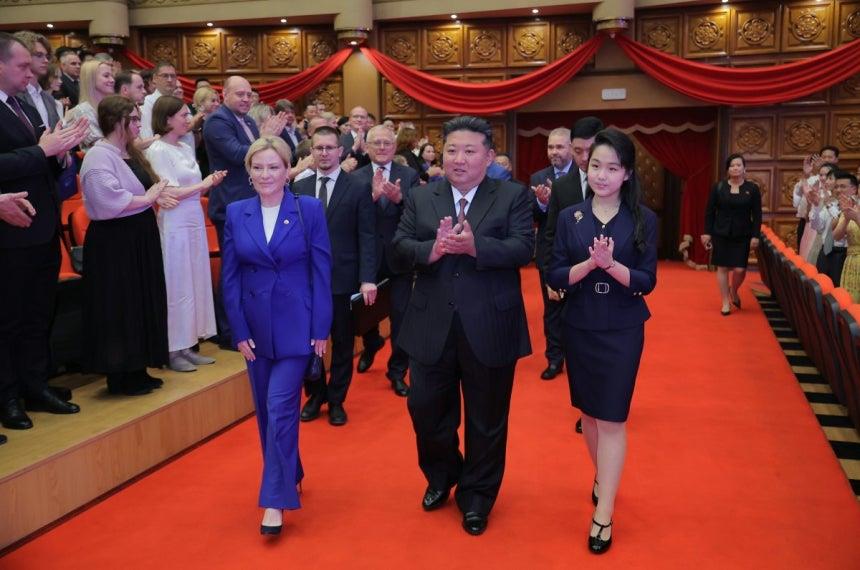
A short segment aired during a joint North Korea–Russia artistic performance showed Kim participating in the coffin ceremony alongside Foreign Minister Choe Son-hui and other senior officials. However, the footage was brief and may be subject to future edits.
Analysts suggest that Kim’s moment of silence was a dual-purpose gesture—intended to reinforce internal cohesion while carefully managing public perception of military losses. “Tears have propaganda value,” one North Korea expert noted, “but if they are perceived as mourning a meaningless sacrifice, they could undermine the very legitimacy they are meant to bolster.”
Kim’s silence, in this case, may say more about what the regime is unwilling to admit than about what it seeks to show.
-
PREV [Analysis and suggestion]
-
NEXT [News&Issue]