

Kim Myongsung’s Inside North Korea
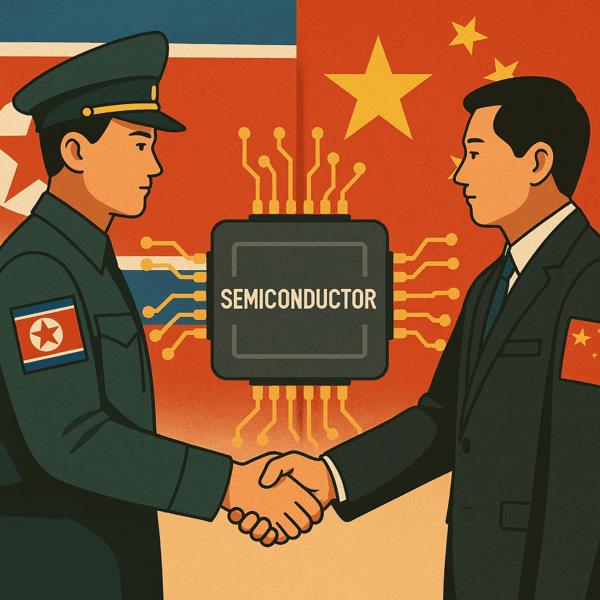
· North Korea and China Begin Joint Semiconductor and Battery Projects, Quietly Building an ‘Anti-U.S. Tech Alliance’
· North Korean Police Families Outraged Over Shrinking Supplies
· “Durian Princess” Kim Ju-ae — Obsessed with Durian Above All

Kim Myong-sung
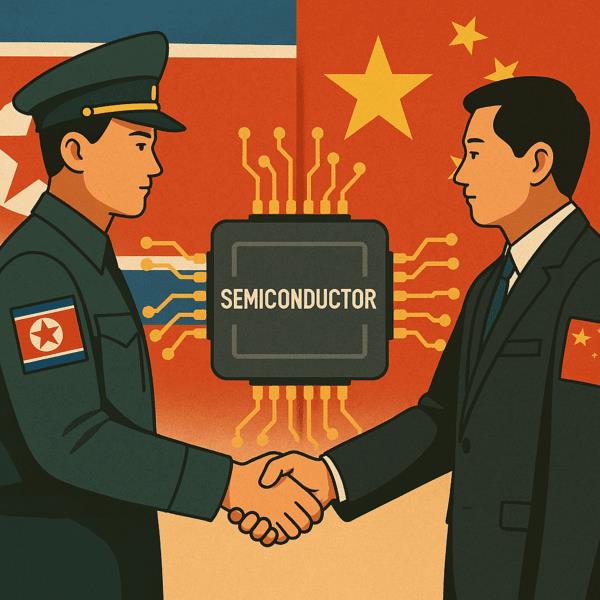
The collaboration is structured into three technical sectors: battery materials, semiconductor fabrication, and automated control systems. Chinese universities and enterprises will jointly conduct training, research, and equipment sharing. Some anticipate that this could lead to future design support or technology transfer for production lines within North Korea’s state-run factories.
Underlying this joint effort is a shared strategic response to rising tensions with the United States. The source explained that both nations believe tighter unity is necessary in light of U.S. pressure on China. They regard this tech partnership as more than industrial—it is a symbolic move asserting their resilience and technological sovereignty amid the ongoing U.S.-China rivalry.
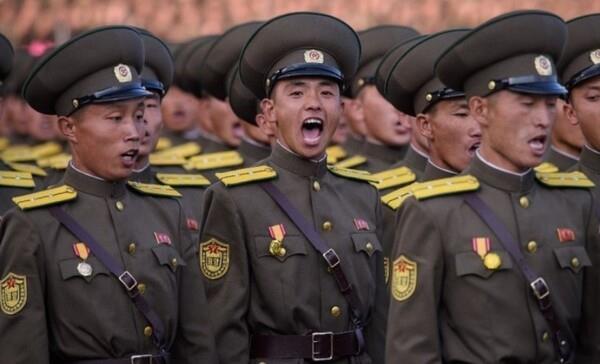
In North Korea, police families are supposed to receive a year’s worth of rations in a single delivery. However, authorities often provide less than promised, citing excuses. Frustrated families complain, “They said 100kg, but we didn’t even get 80kg.” Instead of making up for the shortfall, officials use it as a pretext to reduce the rations further.
According to sources on May 12, North Korea’s Ministry of Social Security—its equivalent of a national police force—distributes food rations to police families once a year, between November and December. Local precincts handle the process, transporting rice and corn from assigned farming areas directly to each household.
In reality, the rice and corn provided are often raw and high in moisture content. Authorities use
the presence of excess water as a justification to reduce the total weight of the distributed grain.
The issue lies in the fact that this method contradicts basic agricultural standards. As grains dry, they naturally lose weight, meaning more—not less—should be allocated when moisture is present. Nonetheless, North Korean authorities insist that the reduction is fair, claiming it accounts for "drying shrinkage.“
One source recounted that a police officer’s family in Pyongyang was listed to receive 100kg on official documents, but received only 90kg at the distribution site. Of that, another 10kg was deducted citing drying loss, leaving them with barely over 80kg. This has left many families fuming, with some openly calling the rationing system a scam.
Security officials under the Ministry of Social Security or the Ministry of State Security are reportedly allocated 200kg of food per person annually, depending on family size. However, in practice, the actual amount received is often only half that figure.
The source added, “It’s hard to believe, but we’re living in an era where police families are paid in grain, not cash. They sell corn at the jangmadang (market) to buy basics like meat, salt, or oil. It’s basically a barter economy now.”
As food distributions lose credibility, many officers have resorted to black-market deals or accepting bribes from locals to survive. Among insiders, a grim joke circulates: “These days, asking a vendor for help is more useful than conducting a crackdown.”
According to South Korea’s Ministry of Unification, the disparity in food rationing between Pyongyang and the provinces is severe. In many rural areas, not only food but even basic services like healthcare and heating are often unavailable.
“Durian Princess” Kim Ju-ae — Obsessed with Durian Above All
In March, North Korea reportedly brought in dozens of tons of durians through Dandong, China. The shipment was said to be specially arranged for Kim Ju-ae, the daughter of North Korean leader Kim Jong-un, who is known to have a strong fondness for the fruit.
Multiple North Korea trade sources reported on April 30 that several trucks carrying durians entered North Korea from Dandong in early March. The durians, transported by freight train, were reportedly top-quality and intended as snacks for Kim Ju-ae.
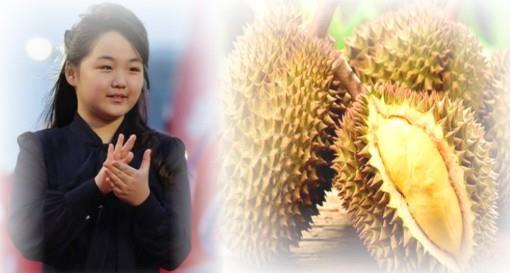
One source noted, “Kim Jong-un is fond of cheese, Kim Ju-ae has an obsession with durian.
Among trade insiders, the fruit is casually nicknamed ‘the princess’s fruit.’”
Known as the “king of fruits,” durian is a tropical delicacy famous for its pungent smell and rich, sweet flavor. Reports suggest that even Kim Jong-il enjoyed it, illustrating the luxurious tastes of the Kim family.
Most of the durians consumed in North Korea originate from Thailand and are routed through China. In 2024, China imported about 1.4 million tons of durian, with 65%—roughly 929,000 tons—coming from Thailand. The durians delivered to North Korea likely followed the same path.
The source added that tropical fruits such as durians, pineapples, papayas, and mangoes are distributed through upscale department stores in Pyongyang or exclusive supply networks reserved for senior Central Party officials. Most North Koreans have never even heard of these fruits.
These luxury fruits serve purposes beyond fine dining—they are often used as bribes and gifts to signal loyalty among top officials. Another trader based in Dandong explained that many of the tropical fruits imported by North Korean trading companies are handed out as gifts to senior cadres during major holidays.
Despite international sanctions, the lavish lifestyle of Kim Jong-un and his family appears unaffected. It’s widely believed that the bulk durian imports were made through special trade channels designed to bypass sanctions.
In reality, North Korea relies on Office No. 39 to import luxury goods, food, and pharmaceuticals through a separate logistics system, which feeds into an elite-only “special supply line economy” reserved for Kim Jong-un’s family and inner circle.
A researcher at a national think tank remarked that Kim Ju-ae’s “love for durian” symbolizes the structural inequality and entrenched privilege in North Korean society. While ordinary citizens suffer from food insecurity, national logistics and foreign currency are mobilized to satisfy the personal tastes of the elite.
-
PREV [Current Affairs Analysis]
-
NEXT [News&Issue]