

Kim Myongsung’s Inside North Korea
· [SAND Exclusive] Local Construction Projects Burden Residents: Forced Labor and $30 Bribes to Avoid Mobilization
· Dozens of North Korean Soldiers Cross MDL, Multiple Casualties in DMZ Mine Laying

Kim Myungsung
As North Korea intensifies efforts on Kim Jong-un's '20×10 regional development policy,' excessive mobilization of local residents for construction is causing significant hardship. To avoid forced labor, residents are paying bribes amounting to 60% of a worker’s monthly salary, or $30 per day, turning a supposed benefit into a burden.
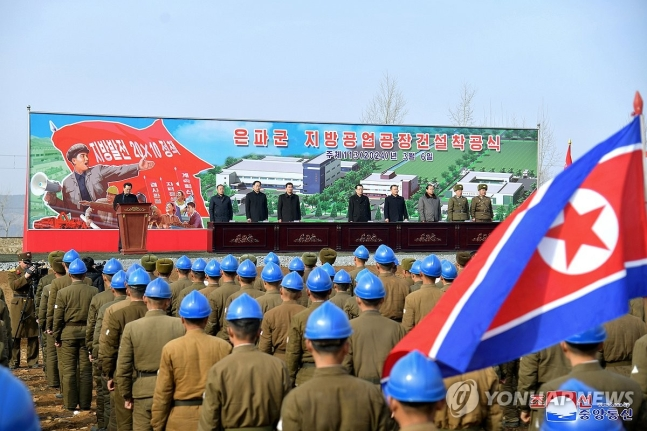
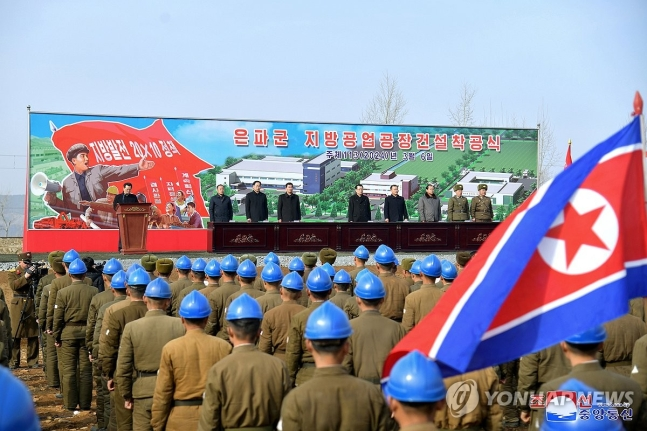
On March 7th, KCNA reported the start of local industrial factory construction in South and North Pyongan,
North Hwanghae, North Hamgyong, and Nampho City./Yonhap News Agency
A source in Hoiryong, North Hamgyong Province, reported on the 15th that while People's Army units are mobilized for local factory construction, many local residents, including university and technical school students, are also conscripted.
According to the source, while military personnel stay on-site, locally mobilized residents commute daily with packed lunches, working from 7 AM to 7 PM and returning home utterly exhausted.
Recently, rising food prices at North Korean local markets (Jangmadang) have made it difficult for mobilized individuals to prepare daily lunches. As of May, rice cost about $6 per kilogram, and pork was $30 per kilogram. In response, authorities reportedly increased workers' monthly salaries from $2 to over $50, a 25-fold increase, since April. However, high inflation has negated the impact of this salary increase.
Preparing a single lunch costs over $30, leading to growing complaints from residents mobilized for construction.
The source stated, “Workers mobilized from enterprises, universities, and technical schools must prepare lunches 10 to 15 times a month. To avoid mobilization, they have to pay bribes of $30 per day to the responsible officials. To skip 15 days of mobilization, they must pay $500 won.” In one university in Hoiryong, over 70% of those mobilized pay bribes to avoid the arduous construction labor.
The 20×10 regional development policy aims to build modern factories in 20 counties annually, improving living standards within 10 years. However, excessive mobilization of local residents has led to complaints that the policy is increasing their burdens. A source said, “Although it aimed to reduce the gap between Pyongyang and the provinces to prevent discontent, both the mobilized military and local residents are expressing fatigue.”
Although Kim Jong-un attended the groundbreaking ceremony for the first factory under the 20×10 regional development policy in February and stated, “We will ensure the project does not burden local people,” critics argue this is merely lip service. They criticize the policy for mobilizing residents who struggle to support their families and secure three meals a day, claiming it ignores the reality of their livelihoods.s
Dozens of North Korean Soldiers Cross MDL, Multiple Casualties in DMZ Mine Laying
South Korean military authorities announced that dozens of North Korean soldiers crossed the MDL on the morning of the 18th, following a similar incursion on the 9th, and returned north after receiving warning shots. Since April, North Korea has built four anti-tank obstacles up to several hundred meters long north of the MDL in the DMZ, suffering multiple casualties from explosions during the mine-laying process.
The Republic of Korea Joint Chiefs of Staff stated, “At around 8:30 AM, several North Korean soldiers working in the central DMZ briefly crossed it and returned north after receiving our military's warning broadcasts and shots.” On the 9th, dozens of North Korean soldiers in the central DMZ crossed the MDL but retreated after our military's warning shots.
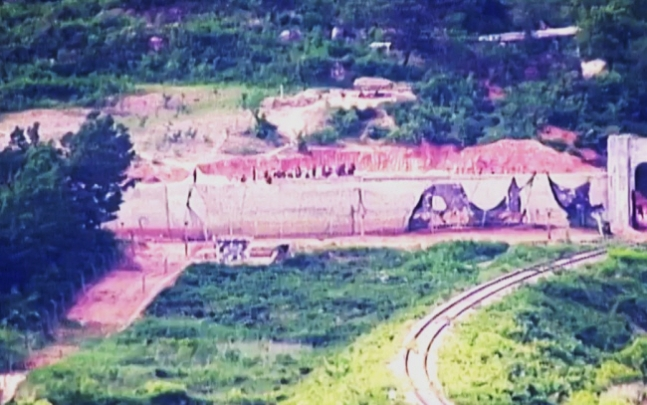
The Republic of Korea Joint Chiefs of Staff released photos on the 18th showing North Korean
soldiers building anti-tank obstacles in the DMZ / Republic of Korea Joint Chiefs of Staff
They also stated, "Since April, North Korea has deployed troops to build four anti-tank obstacles in the eastern, western, and central fronts, also developing barren lands at about ten locations to strengthen their defenses." An official added, "North Korea is laying mines and reinforcing tactical roads. After nullifying the 9.19 Inter-Korean Military Agreement last November, they restored guard posts by January and are now laying mines around inter-Korean roads."
North Korean soldiers have recently been reported removing streetlights and railway tracks along the Donghae Line, following Kim's January directive to sever inter-Korean ties.
The Republic of Korea Joint Chiefs of Staff reported that North Korea continues mine-laying operations despite accidents injuring multiple soldiers. A military official said, "Considering conditions, North Korea will likely expand its work areas, increasing anti-tank obstacles and mine-laying regions in the DMZ.”
The Joint Chiefs of Staff explained, "These activities seem aimed at strengthening internal control by preventing defections and crossings. While North Korea may attempt to nationalize the MDL, it's difficult to make a definitive judgment at this time."